Source Aftermarket Brake Pad For Toyota for Cars, Trucks, and Vans
Find 30 listings for aftermarket brake pad for Toyota, featuring semi-metal and ceramic options. Compare specifications like WVA 29032 and OE numbers, check certifications such as ISO and IATF-ECE, and review MOQs ranging from 1 to 200 sets for global automotive supply chains.
Key considerations
Products List


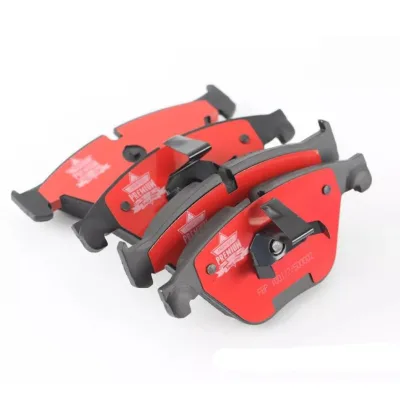


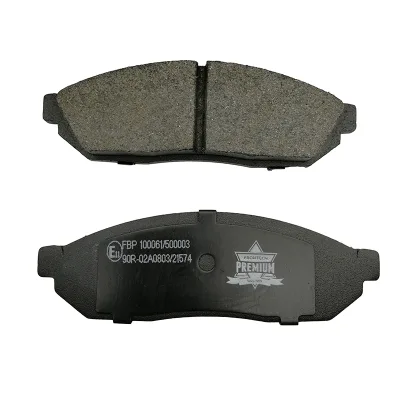
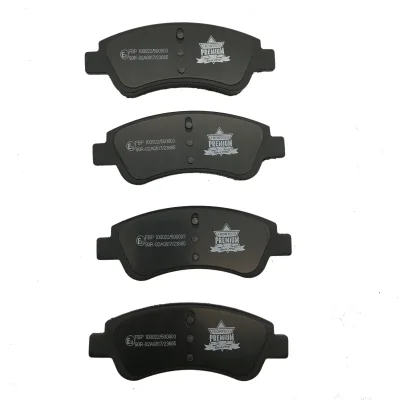


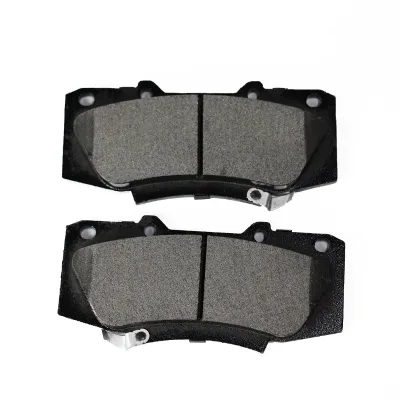
Comprehensive Sourcing Guide
Aftermarket Brake Pad for Toyota Sourcing Guide
Sourcing aftermarket brake pads for Toyota vehicles requires a precise alignment between the specific OEM part numbers and the available aftermarket specifications. The market data indicates that suppliers offer pads matching critical Toyota references such as 0446533470, 04465-BZ130, and 41060-95F0A, which are essential for maintaining the original braking performance of the vehicle. Buyers must verify that the listed product model corresponds exactly to the vehicle's manufacturing year and trim level to ensure proper fitment within the caliper assembly.
Procurement decisions should also account for the diverse material compositions available, ranging from semi-metallic and NAO formulations to ceramic options. While semi-metallic pads are frequently observed in listings for general automotive applications, ceramic variants are specifically noted for certain models, offering different friction characteristics and dust profiles. It is imperative to confirm the material type against the vehicle's original equipment specifications to avoid issues with rotor wear or noise, ensuring the selected pad meets the operational demands of the specific Toyota model being serviced.
Product Scope and Observed Listing Signals
The observed product listings reveal a broad scope of brake pad applications, including specific models for Hyundai and general Chinese car markets, alongside dedicated Toyota references. Buyers must carefully distinguish between generic listings and those explicitly tailored for Toyota platforms, as the data shows variations in model numbers like WVA 29032 and D1541 that may not apply to every vehicle. The presence of multiple material types, including steel backings and various friction compounds, suggests a wide inventory range that requires rigorous filtering to isolate parts compatible with Toyota braking systems.
Listing signals such as "Customized Packing" and "Pallet" shipping methods indicate that suppliers are prepared for both small-batch and bulk procurement scenarios. However, the variation in minimum order quantities, ranging from 50 sets to 200 sets, necessitates a clear understanding of the buyer's inventory needs before engaging with a vendor. The data also highlights that some suppliers offer free samples and specific warranty terms, which can serve as a preliminary indicator of supplier confidence, though these terms must be validated against the specific order volume and product type selected.
Technical Specifications to Verify
Technical verification begins with the physical dimensions of the brake pads, which are critical for ensuring they fit within the caliper housing without modification. The provided data lists specific standard dimensions such as 157.6mm in length, 57mm in width, and 17.4mm in thickness for certain models, while others specify 116.5mm by 51.3mm by 16.5mm. Buyers must cross-reference these exact measurements with the dimensions of the original Toyota brake pads to prevent installation failures or premature wear caused by improper clearance.
Beyond physical dimensions, the friction material composition and backing plate material are vital technical parameters that influence braking efficiency and heat dissipation. The market data confirms the availability of semi-metallic, ceramic, and low-metal formulations, each offering distinct performance traits regarding noise, dust, and stopping power. It is essential to verify that the selected pad's material composition matches the vehicle's original design intent, as using a ceramic pad on a system designed for semi-metallic material could alter the braking feel and potentially damage the rotors over time.
Compliance and Safety Documentation
Compliance with international safety standards is a non-negotiable aspect of sourcing brake components, as these parts directly impact vehicle safety and regulatory adherence. The observed listings frequently cite certifications such as ISO/TS, ECE, and IATF, which are recognized indicators of a manufacturer's commitment to quality management systems and product safety. Buyers should request valid certification documents for the specific batch of brake pads being purchased to ensure that the products have undergone the necessary testing protocols required for automotive safety components.
In addition to general certifications, specific documentation regarding the product's origin and manufacturing standards must be reviewed to verify supply chain integrity. The data indicates that products originate from regions like Hebei and Shandong in China, and buyers should ensure that the supplier can provide traceability for the raw materials used in the friction compound. Verifying that the supplier adheres to the stated standards, such as the specific L: 157.6W: 57T: 17.4 specifications, ensures that the product meets the rigorous safety requirements expected for aftermarket automotive parts.
Cost Drivers and Commercial Terms
Cost drivers in the aftermarket brake pad market are significantly influenced by the material composition, with ceramic and high-performance semi-metallic formulations often commanding higher prices than standard NAO or low-metal options. The observed price range of 0.1 to 30 USD suggests a wide variance based on quality, brand reputation, and the specific technology embedded in the friction material. Buyers should analyze the cost per set relative to the expected lifespan, which is noted in some listings as 30,000 to 50,000 kilometers, to determine the true value proposition of a specific supplier's offering.
Commercial terms such as Minimum Order Quantity (MOQ) and delivery lead times are critical factors that affect the total cost of ownership and inventory planning. The data shows MOQs ranging from 50 to 200 sets, with delivery times typically spanning 30 to 45 days, which can impact cash flow and stock availability for repair shops. Understanding these terms allows buyers to negotiate better pricing tiers or consolidate orders to meet the minimum thresholds while ensuring that the supply chain can meet the demand without excessive delays.
Supplier Qualification and Quality Control
Supplier qualification requires a thorough assessment of their quality control processes, particularly the claim of "100% Professional Test" mentioned in several product listings. Buyers should request detailed test reports that verify the friction coefficient, wear rate, and noise performance of the brake pads to ensure they meet the stringent requirements of Toyota's engineering standards. Relying solely on marketing claims without independent verification of these test results can lead to the procurement of substandard parts that may fail under heavy braking conditions.
The supplier's ability to provide customization and adhere to specific customer requirements is another key indicator of their qualification level. The data indicates that customization is available, allowing buyers to request specific packaging, branding, or material adjustments to match their fleet's needs. However, buyers must ensure that any customizations do not compromise the structural integrity or safety performance of the brake pads, and that the supplier has the technical capacity to maintain consistent quality across customized batches.
Long-Term Procurement Checks
Long-term procurement success depends on establishing a reliable supply chain that can consistently deliver high-quality brake pads over an extended period. Buyers should implement a system for tracking the performance of each batch of brake pads, monitoring for issues such as uneven wear, excessive noise, or premature failure that could indicate a deviation in the manufacturing process. Regular audits of the supplier's production lines and quality control records can help identify potential risks before they result in costly recalls or customer dissatisfaction.
Maintaining a relationship with suppliers who offer robust warranty terms, such as the 30,000 to 50,000 kilometer warranties observed in the market, provides a safety net for unexpected product failures. Buyers should clearly define the terms of these warranties in their contracts, ensuring that they cover not only the cost of replacement parts but also any associated labor or downtime costs. This proactive approach to supplier management helps mitigate risks and ensures a steady supply of reliable brake pads for Toyota vehicles in the long run.
FAQs
What material options are available for aftermarket brake pads for Toyota?
Ceramic, semi-metallic, low-metallic, and NAO formulations are listed among the available material options. Ceramic pads typically run quieter and produce less dust, while semi-metallic pads offer strong heat resistance for heavier use. Choice depends on driving conditions, vehicle model, and buyer preference, and customization is available so you can request the formulation that fits your market requirements.
How long is the typical delivery time for aftermarket Toyota brake pad orders?
Listed delivery time is 30 to 45 days after order confirmation, depending on order quantity and production scheduling. Larger volume orders or customized packing requirements may need the full window, while simpler orders can be scheduled earlier. Buyers should confirm the exact schedule with the supplier before placing a purchase order to align with their inventory planning.
Can I customize the packaging for aftermarket brake pad orders?
Yes, customized packing is available, and pallet packing or carton box packing are both listed options. You can request branded boxes, specific carton sizes, or standard export packing depending on your market. Discuss packaging details during quotation, since customized packaging may affect lead time and unit cost, and confirm artwork requirements before production begins.
What is the minimum order quantity for aftermarket Toyota brake pads?
Listed MOQ values range from 1 to 100 sets, with some suppliers stating 50 or 100 sets and others 200 sets. The actual MOQ depends on the specific supplier, model, and material selection. Buyers with smaller trial orders should filter for low-MOQ suppliers, while volume buyers can negotiate better pricing on larger production runs.
Which certifications should I check when sourcing Toyota brake pads?
Relevant certifications listed by suppliers include ISO, ISO/TS, ECE, IATF, and AMECA. Certification requirements vary by destination market, so confirm which approval your country requires before ordering. Always request valid certificate copies matched to the exact product model, since certification applies to specific tested items rather than every pad a factory produces.
How do I match a brake pad model to a specific Toyota vehicle?
Use OE numbers and friction reference codes to confirm fitment. Listed examples include WVA 29032, 04465-33470, 04465-BZ130, and 04465-33450, alongside reference numbers such as MD8514 and P15263.02. Provide your vehicle model and current pad dimensions, such as the listed 157.6 by 57 by 17.4 specification, so the supplier can confirm the correct matching model.
Can aftermarket Toyota brake pads be supplied for brands other than Toyota?
Yes, besides Toyota applications, listed pad models cover Hyundai and Chinese car applications, and one listing states fitment for all cars using OEM-standard samples. Many factories produce a full range of WVA-numbered disc brake pads covering multiple vehicle makes. Share your target vehicle list so suppliers can confirm which part numbers they can produce.
How is the quality of aftermarket brake pads verified before shipment?
Listings state 100 percent professional testing, with warranty coverage quoted between 30,000 and 50,000 kilometers. Before shipment, buyers can request test reports covering friction performance and physical properties for the specific formulation ordered. Pre-shipment inspection or third-party testing is a common safeguard, so agree on inspection standards and acceptance criteria in the purchase contract.